Bluesky
- 154
- Global rank
- 143
- Month rank
- 169
- Week rank
BlueSky ransomware, first identified in June 2022, shares code similarities with other well-known ransomware families like Conti and Babuk. It primarily spreads via phishing emails and malicious links and can propagate through networks using SMB protocols. BlueSky uses advanced evasion techniques, such as hiding its processes from debuggers via the NtSetInformationThread API, making it difficult for analysts to detect and mitigate its attacks.
- Ransomware
- Type
- Unknown
- Origin
- 1 May, 2022
- First seen
- 9 October, 2026
- Last seen
How to analyze Bluesky with ANY.RUN
IOCs
IP addresses
- 57.153.246.3
- 2.21.239.138
- 74.178.240.61
- 48.192.1.64
- 23.3.89.90
- 172.211.123.249
- 150.171.109.104
- 20.190.160.17
- 20.165.94.54
- 23.11.41.157
- 204.79.197.203
- 23.59.18.102
- 23.3.89.98
- 20.165.94.63
- 23.207.210.132
- 74.179.77.164
- 2.21.20.138
- 85.210.196.11
- 40.84.85.40
- 23.3.89.113
Hashes
- 8c8b84d52fd5df5fd1ad8e3797fec479fb60e308dfed06d0a17eef3b0dd94f13
- 1cd76f5a00d3250b673fa63b17c77e4dd8d8a9ea452eff7b93aef242ff3e2f23
- 4403b0df089927f3f071784d99154b95a37b1445921b66a4431468efad0b2c1c
- c61996a0469e3dd7463dbef8fa76049ba813843c7fa8778fcaa4dcca5b749a04
- 6a0527c6cb40b2f5776352db3dc5d8c188b2cf72232c89bc4a9a8f0a420fc919
- 518e8dbe587e51a08066b84775e26e0bf32ffc52f1437a7b8bf7523b93f940ca
- b04eebc5b290e6fc00933f18fafca821a2cdd1ab347572145de3fa63253e8deb
- 8b513529dad48ecf7d5acf31d0be2c31c999a48fd49e57bb708dabdfcc4c6e64
- 9c14c05e47093edac3a81c4dfa59a41f69c63cba38f26c63833d87ea9396c541
- 13b3c7655968883d5d3027659b7c4b9316f4f3ba0e8e198fa9c9de99bd95b62c
- a5c952a5c6e5f56288b1d6b40bdcf3ddd886e2ee50bea460991108d93b81e9cf
- 5f20ef32cd509e24b1f38a1403c818f35bfb400b13c23b6bec0dce529eafb36a
- 2b2213589e9066b4c9545f087d255c121d5482a615cf19a3d1b1886cc42c520a
- d6fa1495907b2076cc77649c520f91490aa9b7fee798e6df5d0a70a8ca476545
- a527680b7ce4dead3004b718f10942486529f0480beb8f574d9732eca89efbaa
- e65d3a85578ce43a4301a784e0432cd067b3d31d131356e8e5e9379855bf1c4b
- af6b3f0ff93e97d1a9d0807753c1116ecbb03eea1f3d15cfdd589e5fb9590cce
- 7a0ecfa1a4fc0d632b3a6fc5367e459c64d0d13db9c889ab0316b064028c6582
- 2f98d2bddb473c30f5c59aab28e8ea75e632118a482aec1e096c8363be8d23dd
- 3c27bbe2f7de1d9785455b3c83990a5289e05032578a04d8c9fb6c14be72c360
Domains
- fe3cr.delivery.mp.microsoft.com
- settings-win.data.microsoft.com
- ecs.office.com
- login.live.com
- slscr.update.microsoft.com
- oneocsp.microsoft.com
- crl.microsoft.com
- ocsp.digicert.com
- www.microsoft.com
- th.bing.com
- client.wns.windows.com
- self.events.data.microsoft.com
- google.com
- activation-v2.sls.microsoft.com
- www.bing.com
- go.microsoft.com
- nexusrules.officeapps.live.com
- fd.api.iris.microsoft.com
- arc.msn.com
- edge.microsoft.com
URLs
- http://crl.microsoft.com/pki/crl/products/microoceraut2011_2011_03_22.crl
- http://ocsp.digicert.com/mfewtzbnmeswstajbgurdgmcgguabbtrjrydryt%2bapf3gspypfhbxr5xtqqus9tippmhxdiunkhmewnpyim8s8yceajtxtab8my1oj8mfwpz%2f7y%3d
- http://oneocsp.microsoft.com/ocsp/mfqwujbqme4wtdajbgurdgmcgguabbq3l3%2f%2fa6adk8nray2gxzvayrhg4aqub6t%2b2v%2bxq3lso2d33ojhnyhhqoucezmaaaafuwohyjguzpcaaaaaaau%3d
- http://ocsp.digicert.com/mfewtzbnmeswstajbgurdgmcgguabbq50otx%2fh0ztl%2bz8sipi7wewvxdlqqutijuibiv5unu5g%2f6%2brks7qyxjzkceaz1vqyrvgl0erhqlcpm8gy%3d
- https://www.bing.com/dsb/search?dsbmr=1&format=dsbjson&client=windowsminiserp&dsbschemaversion=1.1&dsbminiserp=1&q=q&cc=us&setlang=en-us&clientdatetime=10%2f9%2f2026%2c%205%3a36%3a06%20am
- https://www.bing.com/threshold/xls.aspx?t=5&dl=1&f=9&wsbc=1
- https://www.bing.com/th?id=odswg.764183db-64ed-4b4f-9475-e4abd5f3806e&pid=dsb
- https://login.live.com/rst2.srf
- https://login.live.com/ppsecure/deviceaddcredential.srf
- https://th.bing.com/th?id=odswg.iotdlocalicon&w=16&h=16&c=1&rs=1&p=0
- http://www.microsoft.com/pkiops/crl/microsoft%20ecc%20update%20secure%20server%20ca%202.1.crl
- https://slscr.update.microsoft.com/sls/%7b522d76a4-93e1-47f8-b8ce-07c937ad1a1e%7d/x64/10.0.19045.4046/0?ch=686&l=en-us&p=&pt=0x30&wua=10.0.19041.3996&mk=dell&md=dell
- https://fe3cr.delivery.mp.microsoft.com/clientwebservice/ping
- https://slscr.update.microsoft.com/sls/ping
- https://slscr.update.microsoft.com/sls/%7be7a50285-d08d-499d-9ff8-180fdc2332bc%7d/x64/10.0.19045.4046/0?ch=686&l=en-us&p=&pt=0x30&wua=10.0.19041.3996&mk=dell&md=dell
- https://activation-v2.sls.microsoft.com/slactivateproduct/slactivateproduct.asmx?configextension=retail
- https://www.bing.com/as/api/windowscortanapane/v2/suggestions?qry=&setlang=en-us&cc=us&nohs=1&qfm=1&seahisoff=1&cp=0&cvid=7ad052e4be0c4f87acf7f5dd107d97aa&ig=ef7d263b771440ab9c0ba10827fcbd80
- https://th.bing.com/th?id=opn.pe_6c1882f3-1766-462a-a139-885a704687f2&w=140&h=96&c=1&rs=1&p=0
- https://th.bing.com/th?id=opn.pe_772f8a36-0936-4bbb-bb06-7d1b26b267e0&w=140&h=96&c=1&rs=1&p=0
- https://th.bing.com/th?id=odswg.a63c4ede-672e-4b0b-b035-e0f9aa973fce&c=1&rs=1&p=0
Last seen at
What is BlueSky ransomware?
BlueSky ransomware is a strain of malicious software that encrypts files on a victim's system, rendering them inaccessible until a ransom is paid. First detected in June 2022, it shares similarities with other notorious ransomware families like Conti and Babuk.
BlueSky spreads through methods such as phishing emails, malicious links, and network protocols like SMB (port 445 TCP). Once inside a system, it uses advanced evasion techniques, such as hiding threads from debuggers, to avoid detection. It targets both files and processes, encrypting files with RSA encryption and adding the ".bluesky" extension to them while maintaining operational stability by avoiding critical system processes.
BlueSky ransomware technical details
BlueSky ransomware encrypts files on the infected system, spreads through network shares, and uses advanced evasion techniques to avoid detection.
The primary functionalities of BlueSky ransomware include:
- Uses RSA encryption to lock files and adds a ".bluesky" extension to the affected files.
- Avoids system-critical processes while terminating secondary ones to optimize encryption without causing a system crash.
- Utilizes advanced anti-debugging techniques such as hiding threads from debuggers through the NtSetInformationThread API.
- Writes specific registry keys, including x25519_pub and RECOVERYBLOB, which are essential for the encryption and decryption process.
- Uses multi-threading to efficiently handle file encryption tasks, targeting both local files and network shares through SMB.
BlueSky ransomware execution process
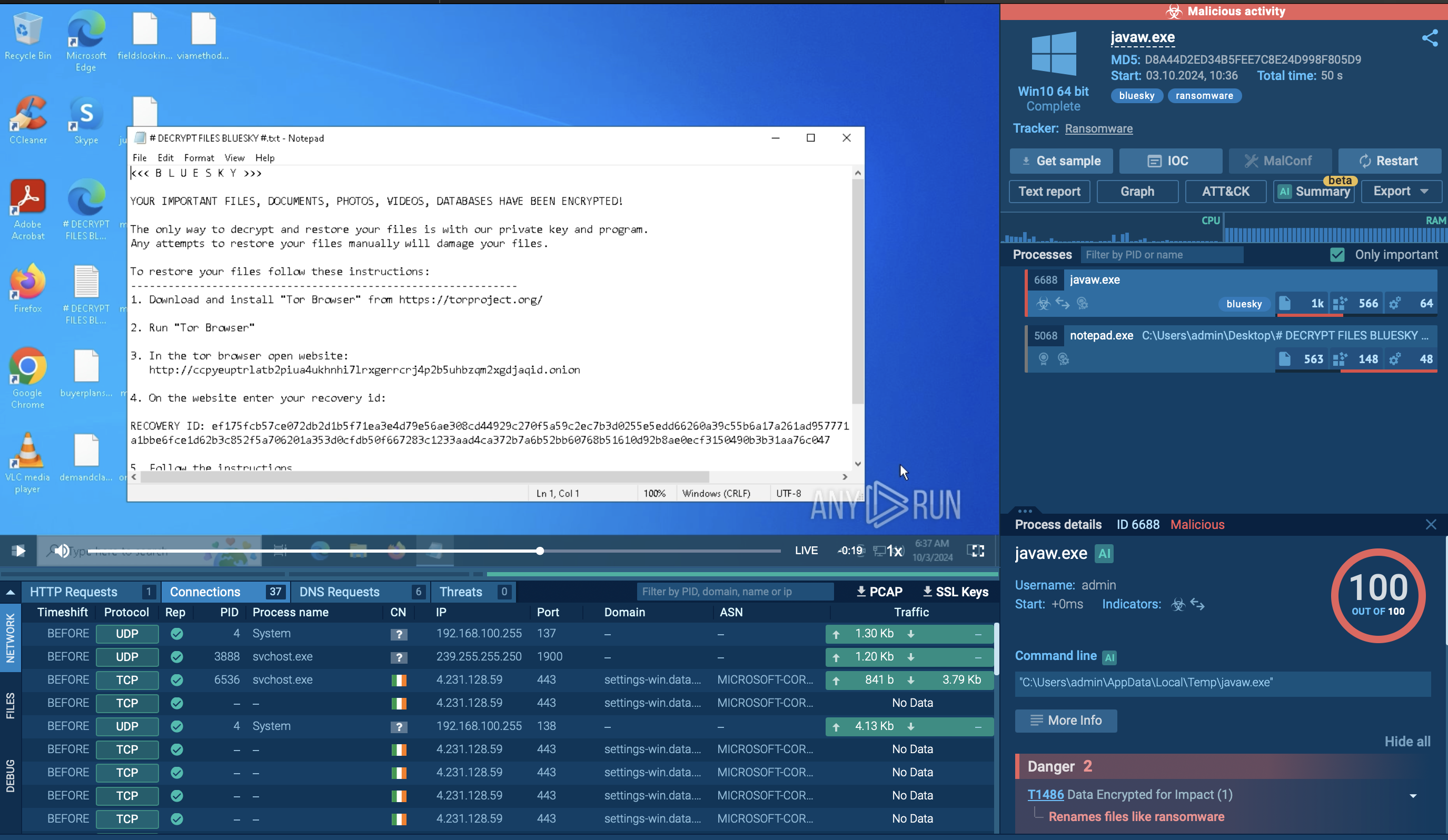
To see how BlueSky operates, let’s upload its sample to the ANY.RUN sandbox.
BlueSky ransomware specifically targets files and processes for encryption. However, it strategically avoids critical system processes to prevent system crashes that could halt the encryption process prematurely. This selective targeting allows it to continue encrypting files while the system remains operational.
Encrypted files are marked with the “.bluesky” extension, and a ransom note is left in the directories containing the encrypted files.
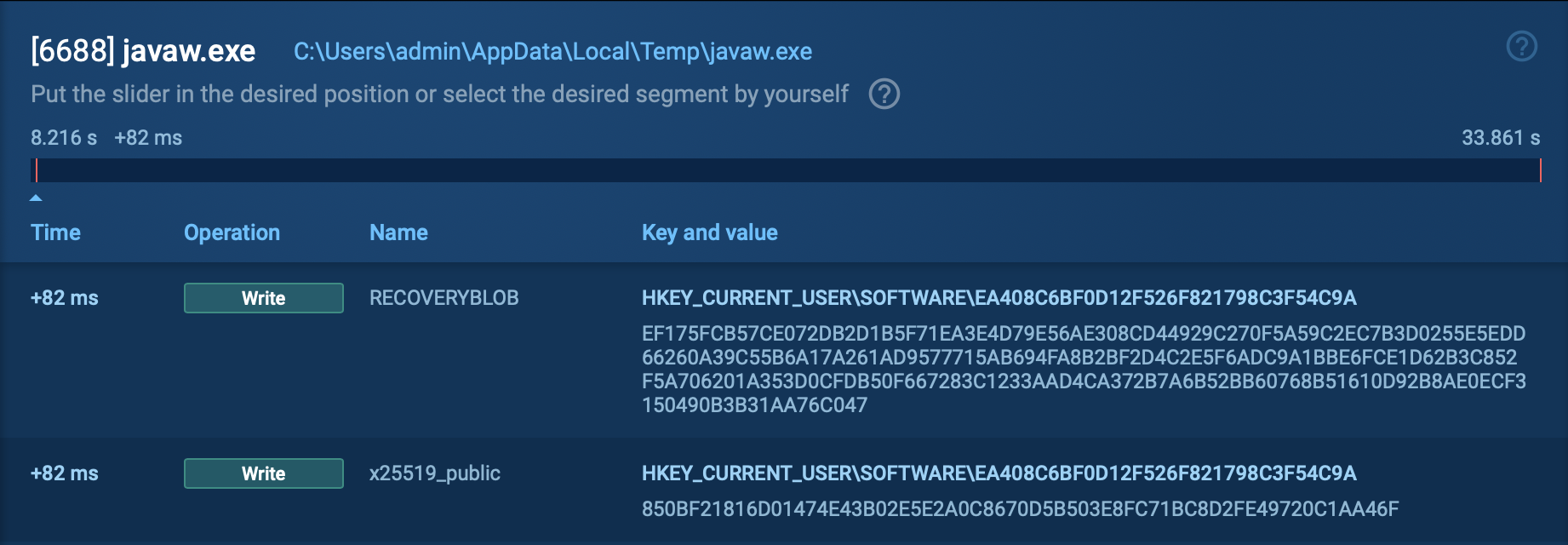
Before the encryption takes place, the ransomware writes critical information to the system’s registry, such as x25519_pub and RECOVERYBLOB. These are used by the attackers to potentially decrypt files if the ransom is paid.
One of BlueSky’s key features is its evasion tactics. It hides execution threads from debuggers using the NtSetInformationThread API, making it difficult for analysts and security tools to track its behavior in real-time. This advanced anti-debugging capability ensures that the malware can run stealthily in a compromised environment, minimizing the chances of detection.
BlueSky ransomware distribution methods
Similar to other malware families like AsyncRAT and Lumma Stealer, BlueSky ransomware is distributed through a variety of methods, making it a versatile and dangerous threat. Here are the primary distribution methods:
- Phishing emails: Delivered via emails containing malicious attachments or links that prompt users to download and execute ransomware.
- SMB protocol (Server Message Block): Spreads across networks using SMB (Port 445 TCP), which makes it possible to infect multiple machines.
- Trojanized software: Embedded in cracked or pirated software, which users unknowingly download from unreliable sources.
- Malicious links: Spread through phishing websites or compromised legitimate sites, directing users to download the malware.
Gathering Threat Intelligence on BlueSky Ransomware
To gather up-to-date intelligence on BlueSky ransomware, use Threat Intelligence Lookup.
This service gives you access to a vast database of threat data, built on millions of malware analysis sessions conducted in the ANY.RUN sandbox. It allows you to search using over 40 parameters, such as IPs, file names, domains, and process artifacts.
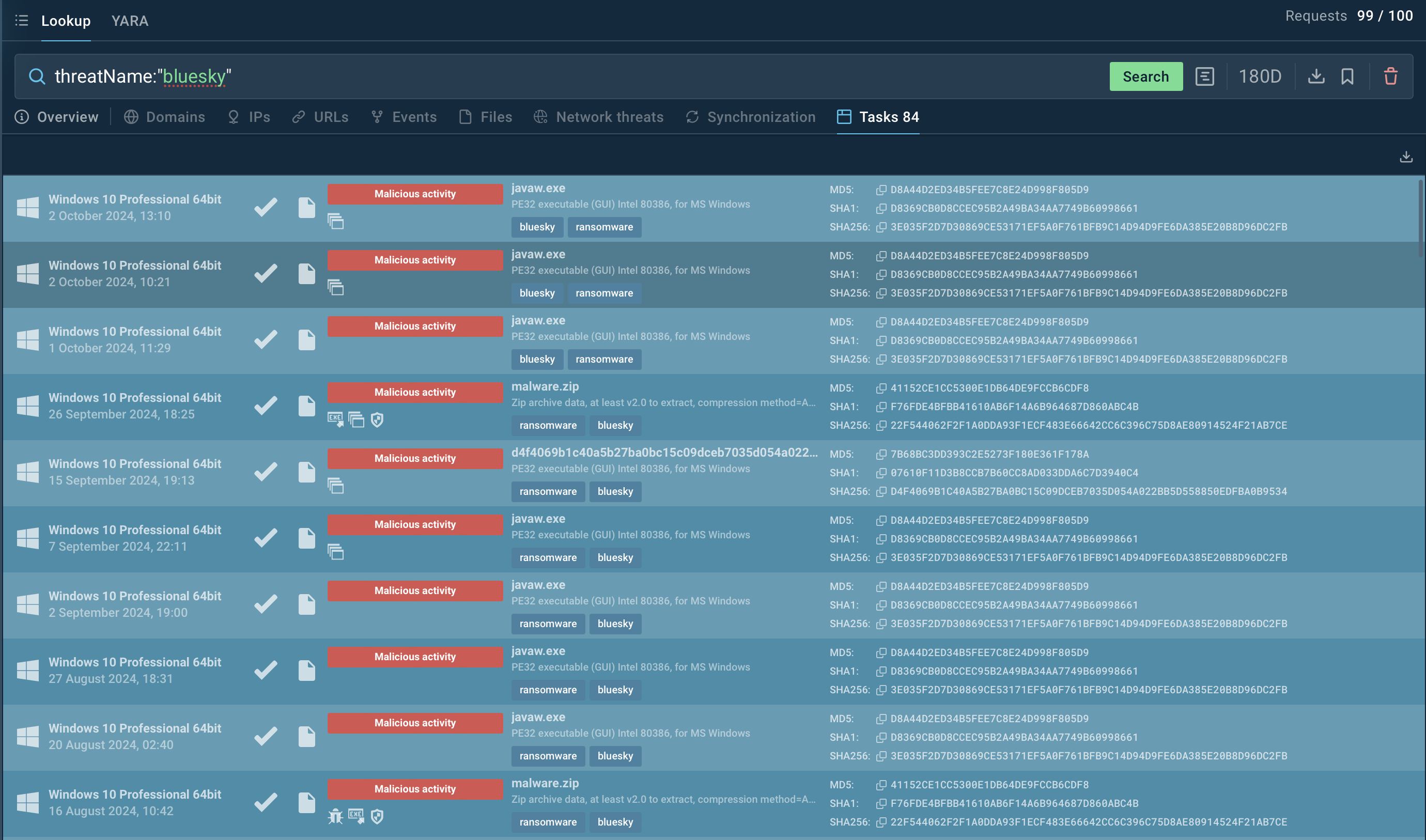 Search query for Bluesky in ANY.RUN’s Threat Intelligence Lookup
Searching for BlueSky-related terms, such as threatName:"BlueSky", in TI Lookup brings up results related to this ransomware, including associated samples, network activity, and command-and-control (C2) communication.
Test the capabilities of Threat Intelligence Lookup and the ANY.RUN sandbox.
Conclusion
BlueSky ransomware is a dangerous threat due to its file encryption, network propagation, and advanced evasion techniques. To combat this, it's essential to use tools like ANY.RUN and proactively analyze suspicious files before they cause damage. ANY.RUN provides a real-time malware analysis platform, allowing users to safely investigate and understand malware behavior, while delivering detailed reports for actionable insights.
Sign up for a free ANY.RUN account today to start analyzing threats like BlueSky.
Other malware & phishing threats
 LummaLumma is an information stealer, developed using the C programming language. It is offered for sale as a malware-as-a-service, with several plans available. It usually targets cryptocurrency wallets, login credentials, and other sensitive information on a compromised system. The malicious software regularly gets updates that improve and expand its functionality, making it a serious stealer threat.
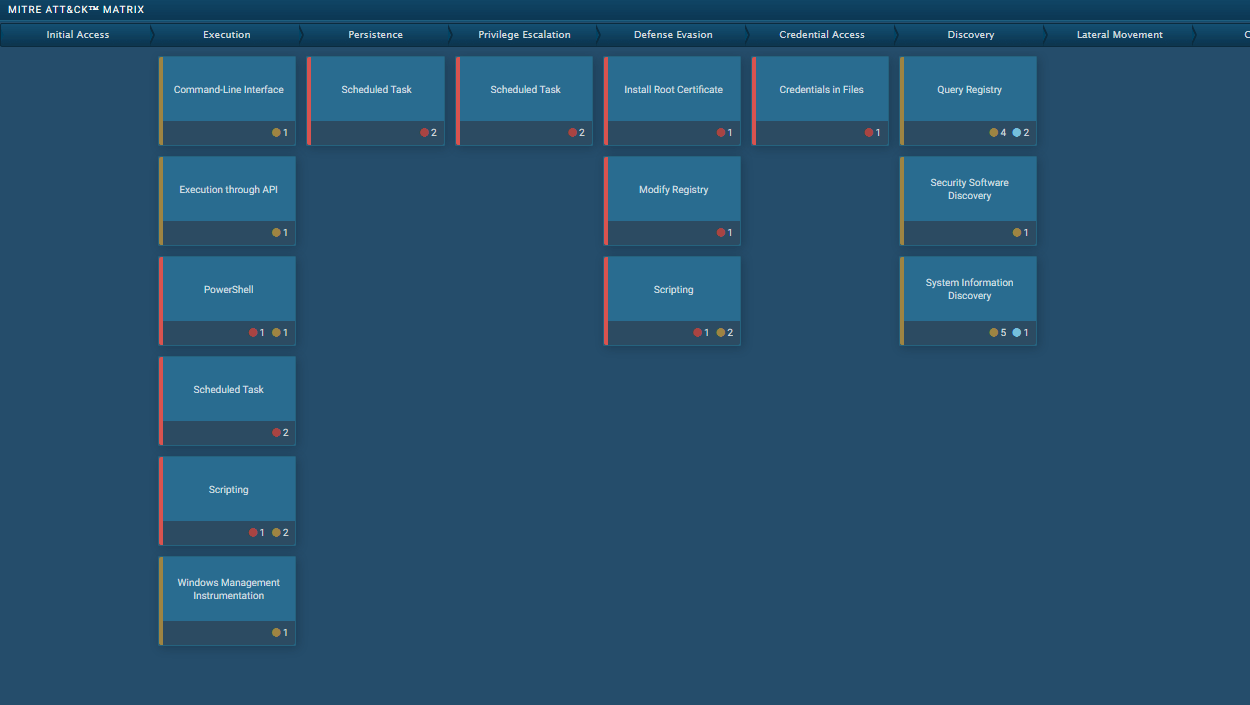 GootkitGootkit is an advanced banking trojan. It is extremely good at evading detection and has an incredibly effective persistence mechanism, making it a dangerous malware that researchers and organizations should be aware of.
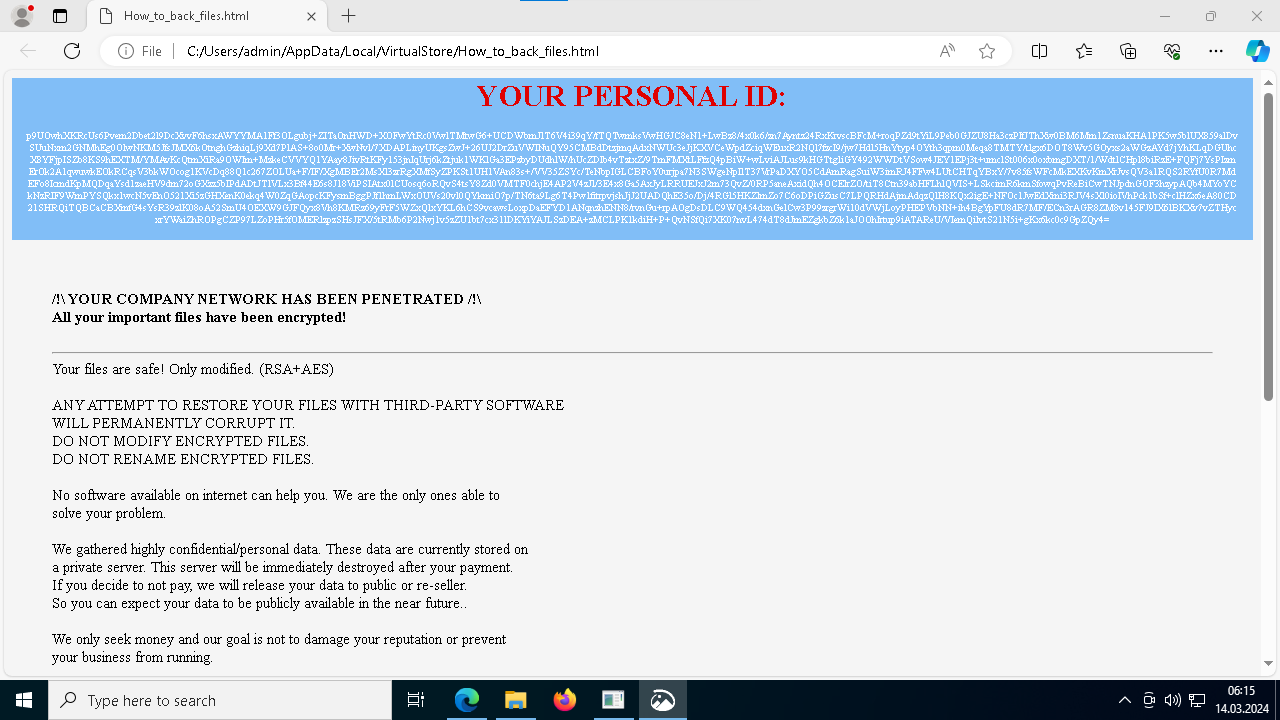 Medusa RansomwareMedusa is a ransomware malware family targeting businesses and institutions. Medusa encrypts crucial data, rendering it inaccessible, and attempts to pressure users to pay to regain control of their information. The group behind this malicious software hosts a TOR website where it shares the list of the organizations whose infrastructure has been compromised. This malware utilizes various tactics, including exploiting vulnerabilities and employs a unique file extension (".MEDUSA") to mark encrypted files.
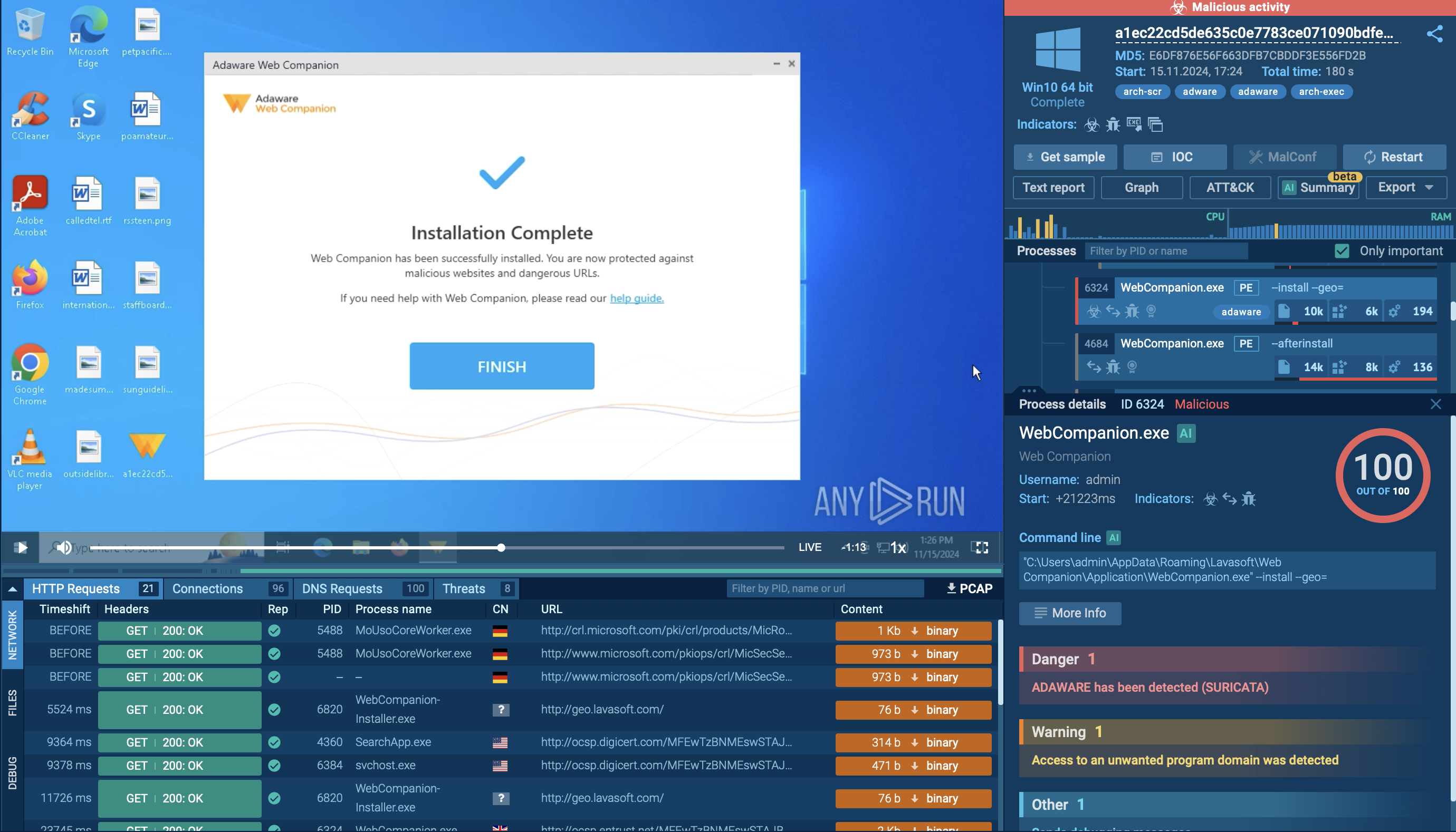 AdwareAdware is a form of malware that targets users with unwanted advertisements, often disrupting their browsing experience. It typically infiltrates systems through software bundling, malicious websites, or deceptive downloads. Once installed, it may track user activity, collect sensitive data, and display intrusive ads, including pop-ups or banners. Some advanced adware variants can bypass security measures and establish persistence on devices, making removal challenging. Additionally, adware can create vulnerabilities that other malware can exploit, posing a significant risk to user privacy and system security.
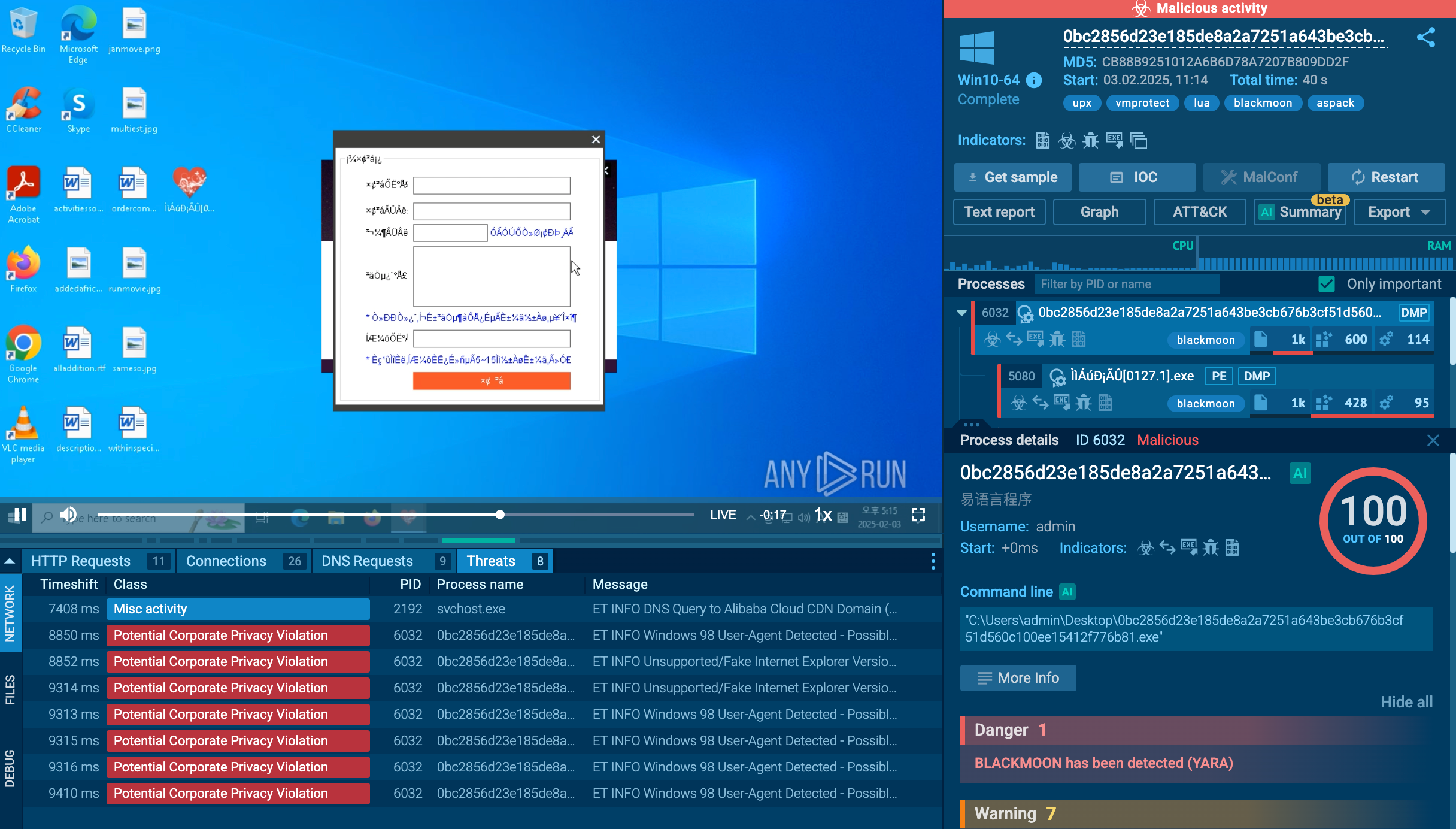 BlackMoonBlackMoon also known as KrBanker is a trojan aimed at stealing payment credentials. It specializes in man-in-the-browser (MitB) attacks, web injection, and credential theft to compromise users' online banking accounts.
It was first noticed in early 2014 attacking banks in South Korea and has impressively evolved since by adding a number of new infiltration techniques and information stealing methods.
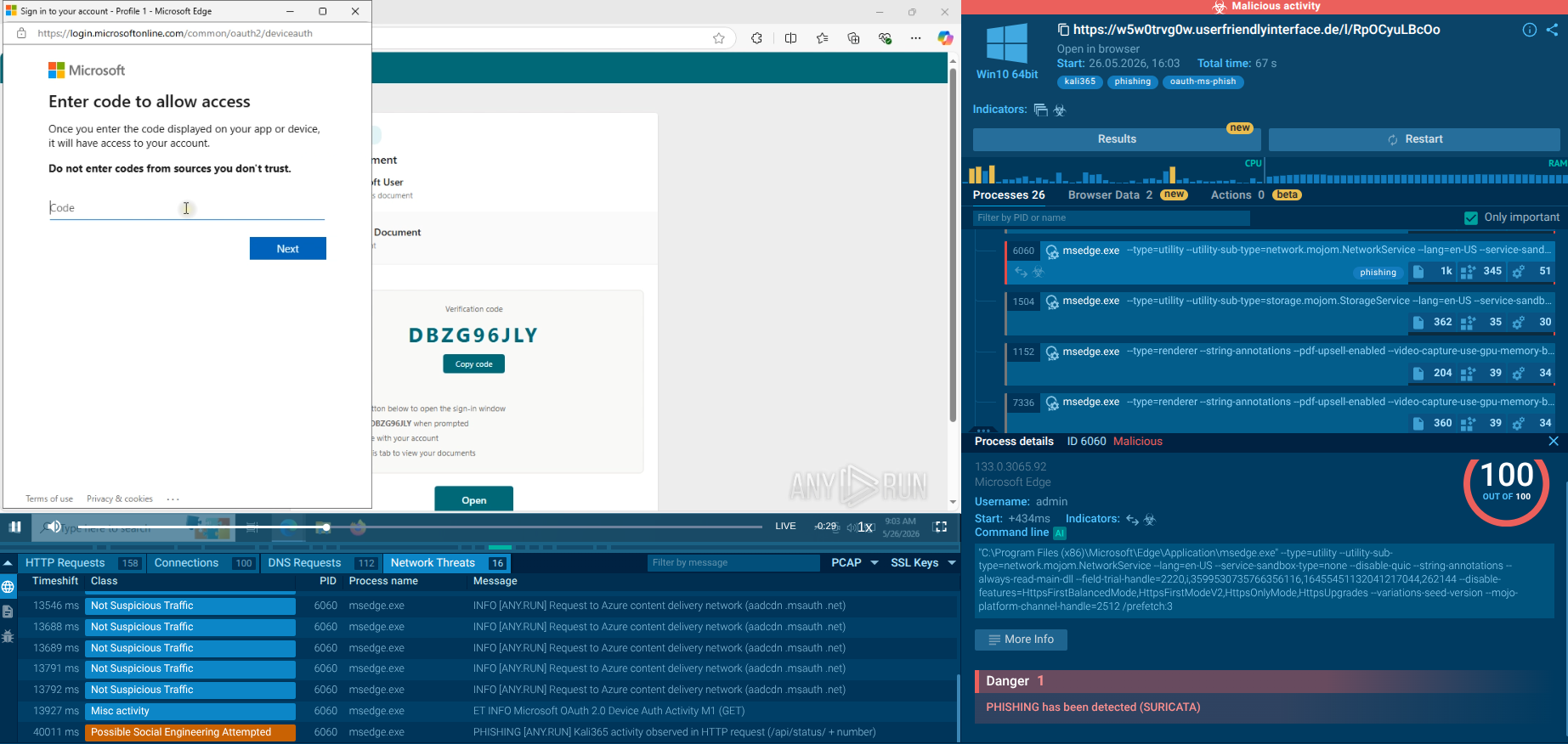 Kali365Kali365 is an emerging Phishing-as-a-Service (PhaaS) platform that targets Microsoft 365 environments by stealing OAuth authentication tokens instead of passwords. First observed in April 2026, the service enables even low-skilled threat actors to bypass multi-factor authentication (MFA), gain persistent access to corporate cloud accounts, and compromise business communications, files, and collaboration platforms. Kali365 represents a shift from traditional credential theft toward session hijacking and token abuse, making it a significant threat to organizations that rely on Microsoft 365.